With the rise of the national tide and open management, what new changes have been ushered in in the theme parks with old and new changes?
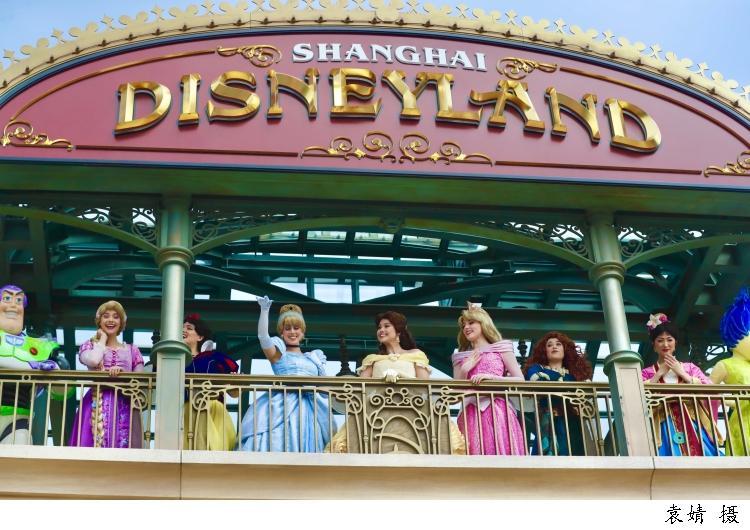
Affected by the global epidemic, local tours, including theme parks, and Zhou Bianyou have become the first choice for recent trips, and the tourism consumption market has gradually shown strong resilience, but the challenges of the industry in the future still exist. The latest data from AECOM shows that theme parks are replaced by old ones and the survival of the fittest. The latest data from AECOM shows that theme parks are replacing the old with the new, and the survival of the fittest is eliminated.The total number has been updated from 128 in 2018 to 156 at present..
The number of openings is the same as in previous years, and it is a new first-tier city.
In recent three years, 39 new theme parks are mainly concentrated in new first-tier cities, such as Nanjing and Zhengzhou. Although the sudden epidemic has temporarily slowed down the opening of new projects, the planning and construction of theme parks is a long-term plan. With the gradual recovery of the domestic tourism market, new projects that are "imminent" have been opened in the second half of the year, and the number of new projects opened is almost the same as in previous years.
Among the projects tracked by AECOM, about 20 theme parks have closed down one after another in the past three years, of which 70%-80% are parks with an initial investment of less than 1 billion and no obvious theme/equipment. Before the closure, the business situation was not good, and the number of tourists in most years was less than 1 million. These parks "suffering from internal worries" have insufficient ability to resist risks, and the outbreak in 2020 will accelerate their fall into the dilemma of bankruptcy, or announce the temporary closure to re-plan the development direction.
The rise of the national tide and the second interpretation of local culture into the mainstream
Pursuing stories is the standard of theme parks nowadays. Among them, history/culture is the most theme type of new projects, and local culture/historical stories and legends are selected for secondary interpretation. This has something to do with the improvement of Chinese cultural self-confidence, the rise of "national tide" and the needs of local governments in recent years. "Regional culture" is also one of the easiest choices for entertainment transformation and theme formation.
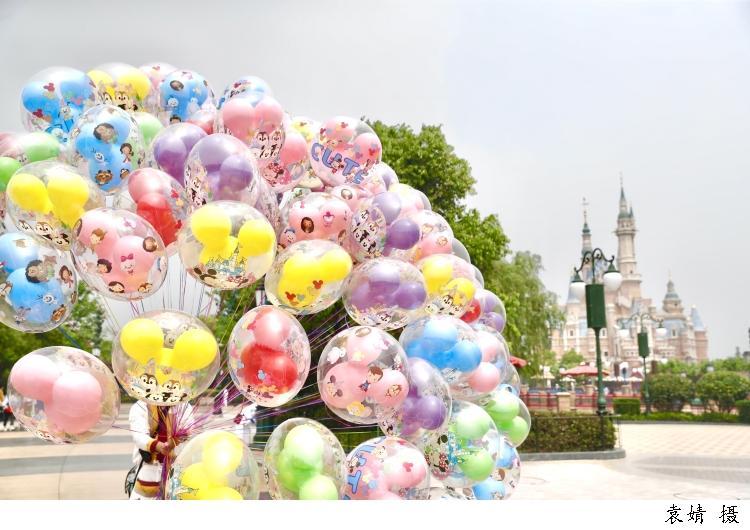
Domestic parks have recognized the potential advantages of IP in shaping themes, enhancing experiences and promoting secondary consumption. In the projects tracked by AECOM, nearly half of the existing parks have used IP to varying degrees: First, they have strong IP clusters, such as Disney and Universal Studios, which can support the development of large-scale theme parks and maximize the entertainment value of IP; The second is to cooperate with existing popular IP. Attract specific fans to visit by implanting the theme partition of the IP in the park, or using festival activities to cooperate with IP for a short time; The third is to create IP according to the characteristics of the project, and try to create online and offline derivatives to cultivate emotional connection with tourists.
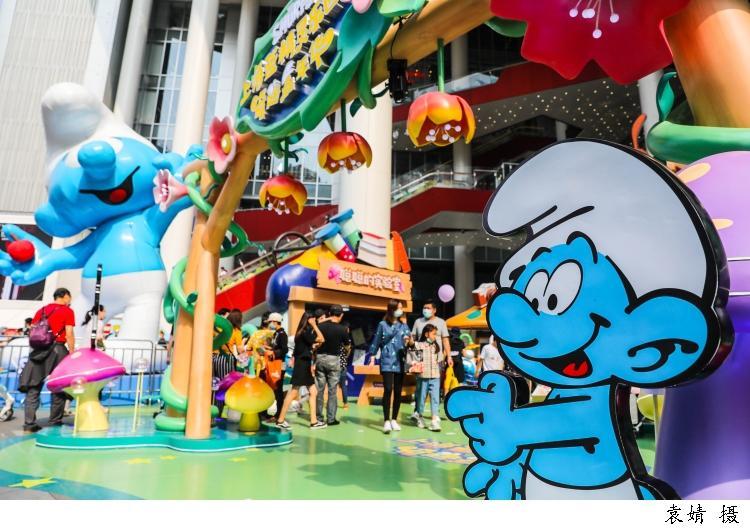
However, there are also many cases in the market where IP is used but there is no "splash". Experts believe that the introduction of IP is not a "panacea" for theme parks once and for all, but it is necessary to clarify the purpose and expectation of introducing IP into parks, and then choose the right IP and use it scientifically and rationally in order to maximize the value of IP.
Open management is gradually emerging, and nearly 20% of theme parks enter the park free of charge.
In the past three years, because some previously closed theme parks tried to "open management", that is, free admission, individual payment for amusement projects or payment for theme areas, open management began to attract the attention of the industry, but this model has long been used in some parks with no obvious theme/equipment at home and abroad. Among the projects tracked by AECOM, there are currently about 30 theme parks in China, accounting for about 20% of the total.
The pass system and the split ticket system are meaningless advantages and disadvantages, but only two business models with different emphases, which have different requirements for the profitability of theme parks and bring completely different experiences to tourists. The split-ticket system has different considerations for the selection, maintenance and daily operation of facilities and equipment than the pass-ticket system park, so it is necessary to formulate appropriate strategies in advance and plan the investment budget more reasonably. At present, the theme parks with reasonable open management are mainly located in large-scale urban recreation complexes in new first-tier or second-tier cities, and the surrounding population is relatively dense. These projects often need large flow to feed back commercial or other projects. On the contrary, if there is no business or other formats around, or the location is not good, and stable passenger flow cannot be obtained, then "opening the door" may not be worth the loss.
Reporting/feedback